
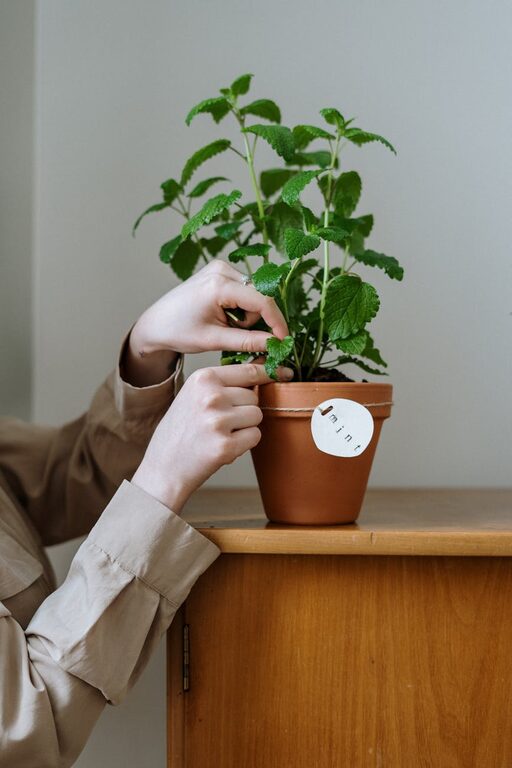
Growing your own herbs indoors is a rewarding and practical way to bring fresh flavors to your kitchen year-round. Whether you have a spacious sunroom or just a sunny windowsill, starting a small herb garden indoors is easier than you might think. In this guide, we’ll walk you through everything you need to know to cultivate a thriving herb garden inside your home.
Why Grow Herbs Indoors?
Indoor herb gardens offer several benefits:
– Freshness: You can snip fresh herbs anytime for cooking or garnishing.
– Convenience: No need to run to the store for common culinary herbs.
– Space-saving: Perfect for apartments or homes without outdoor garden space.
– Pest Control: Indoor plants are less susceptible to outdoor pests.
– Aesthetic Appeal: Green plants brighten your living space and improve air quality.
Choosing the Right Herbs for Indoor Growing
Not all herbs thrive indoors, so start with varieties known for doing well inside:
– Basil: Loves sunlight and warmth.
– Parsley: Grows well in moderate light.
– Chives: Easy to care for and can tolerate lower light.
– Mint: Grows aggressively; consider container separation.
– Thyme: Prefers sunny spots and well-draining soil.
– Cilantro: Needs cool temperatures and moderate light.
Tip: Start with herbs you use often and that suit your cooking style.
Selecting Containers for Your Herb Garden
Choosing the right containers impacts your herbs’ growth. Consider:
– Size: Pots should be at least 4-6 inches deep for most herbs.
– Material: Terra cotta, ceramic, or plastic pots work well.
– Drainage: Ensure each pot has drainage holes to prevent waterlogging.
– Group pots: Cluster herbs with similar water and light needs together.
Reusing containers
You can repurpose kitchen bowls or jars, but remember to add drainage holes.
Picking Suitable Soil and Potting Mix
Use a high-quality potting mix formulated for indoor plants, not garden soil. The right soil will:
– Retain moisture without becoming soggy
– Provide good aeration to roots
– Contain nutrients to support growth
Adding perlite or vermiculite improves drainage and aeration.
Finding the Best Location in Your Home
Herbs require good light to flourish:
– Sunlight: Most herbs need 6-8 hours of bright, indirect sunlight daily.
– Window Placement: South or west-facing windows generally provide sufficient light.
– Supplement with Grow Lights: If natural light is limited, consider LED grow lights designed for plants.
Planting Your Herb Garden: Seeds or Starter Plants?
Seeds
Starting from seed allows more variety, but takes longer and requires patience.
– Sow seeds in seed-starting trays or small pots.
– Keep soil moist and warm until germination.
– Thin seedlings to prevent overcrowding.
Starter Plants
Purchasing young herb plants from a nursery is quicker and easier for beginners.
– Choose healthy, vibrant plants.
– Transplant carefully to avoid root damage.
– Acclimate plants gradually to indoor conditions.
Watering and Care Tips
Proper watering is crucial:
– Herbs prefer consistently moist soil but dislike soggy conditions.
– Water when the top inch of soil feels dry.
– Use room temperature water.
– Avoid letting water pool in the saucer.
Additional care tips:
– Fertilize: Use a balanced, water-soluble fertilizer every 4-6 weeks during growing season.
– Prune regularly: Harvest leaves often to encourage bushy growth.
– Rotate plants: Turn pots regularly so all sides get light evenly.
– Watch for pests: Keep an eye out for common indoor pests like aphids or spider mites.
Harvesting Your Herbs
Harvesting stimulates growth but should be done carefully:
– Use clean scissors or pinch off leaves to avoid damaging stems.
– Avoid taking more than one-third of the plant at once.
– Harvest in the morning when herbs have the best flavor.
– Regular harvesting encourages more leaf production.
Troubleshooting Common Problems
– Yellow leaves: Often a sign of overwatering or poor drainage.
– Leggy growth: Indicates insufficient light; move plants closer to light source.
– Pests: Use mild soapy water spray or wipe leaves gently.
– Wilting: Check soil moisture and humidity levels.
Final Thoughts
Starting a small herb garden indoors is a fun and satisfying hobby that adds freshness to your meals and a touch of greenery to your living space. With the right choice of herbs, containers, soil, and care, you can enjoy fresh herbs throughout the year.
Why not pick a few favorites and begin your indoor garden today? Soon, you’ll be chopping fresh basil for pasta or garnishing dishes with aromatic thyme – all grown by you!
Happy gardening!