
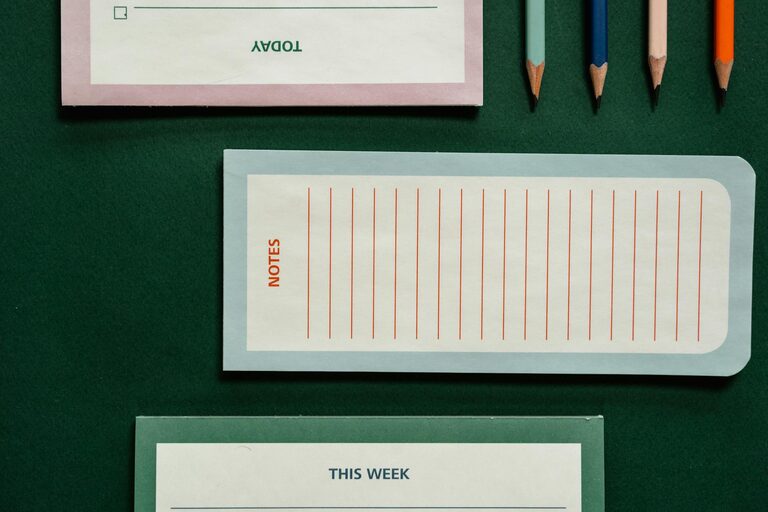
Bullet journaling has become a popular way to combine organization with creativity, helping people keep track of their tasks, goals, and thoughts in one place. Whether you’re looking for a better way to manage your time, set intentions, or simply express yourself through writing, bullet journaling offers a flexible, customizable method that can work for anyone. This beginner’s guide will walk you through the essentials of bullet journaling and offer tips on how to get started.
What Is Bullet Journaling?
Bullet journaling is a method of personal organization developed by Ryder Carroll. It uses a combination of rapid logging with bullets, symbols, and short sentences to capture tasks, notes, and events in a simple yet effective way. Unlike traditional planners or digital apps, a bullet journal is usually a blank notebook that you design yourself, allowing you to tailor every page to your needs.
The core idea is to reduce the clutter of multiple planning systems by having everything — to-dos, calendars, ideas, habits — in one place. It encourages mindfulness and reflection, making it more than just a way to organize tasks.
Supplies You’ll Need
Starting a bullet journal doesn’t require many fancy tools. Here’s a basic list to get you set up:
– Notebook: Choose one with dotted, grid, or plain pages. Dotted notebooks are popular because the subtle grid helps with drawing lines and layouts.
– Pen: A reliable pen with smooth ink is essential. Many prefer fine liners or gel pens.
– Ruler: Helpful for creating straight lines and clean layouts.
– Optional: Colored markers or pencils, stickers, washi tape for decoration.
Enough supplies to spark creativity, but simple to avoid feeling overwhelmed.
Setting Up Your Bullet Journal
When you first open your bullet journal, there are a few initial pages and setups you should consider creating.
1. Index
The index is like a table of contents. Here, you’ll list the page numbers and topics that appear throughout the journal so you can quickly find what you need.
Example:
| Index | Page # |
|————-|———|
| Monthly Log | 3 |
| Habit Tracker | 7 |
Leave the first 2-3 pages blank for the index.
2. Future Log
The future log is a place to jot down long-term events, appointments, or goals. It usually covers the upcoming 3 to 6 months.
You can create a simple calendar with months and space to record important dates.
3. Monthly Log
At the start of each month, prepare a monthly log. This breaks down your month into daily entries or a calendar-style overview to plan appointments, deadlines, and big tasks.
4. Daily Log
Daily logs are the heart of the bullet journal. Here, you list tasks, events, and notes for each day, often using short bullet points.
How to Use Symbols and Bullets
One key feature of bullet journaling is the use of symbols to quickly categorize information. Ryder Carroll’s original system uses simple bullets:
– Tasks: Represented by a dot (•)
– Events: Represented by an open circle (o)
– Notes: Represented by a dash (–)
You can also add symbols for priority (*), completed tasks (x), migrated tasks (>), and canceled tasks (/) to keep track of progress.
Example:
– • Buy groceries
– o Meeting with Alex at 3 pm
– – Idea for blog post
– * Prepare presentation
Feel free to customize these symbols to fit your style and needs.
Creating Collections
Collections are custom sections dedicated to specific themes or goals. They can be anything from habit trackers and mood logs to book lists or meal planners.
Examples of Popular Collections:
– Habit Tracker: Track daily habits like water intake, exercise, or reading.
– Gratitude Log: Write something you’re thankful for each day.
– Goal Setting: Break big goals into smaller steps and track progress.
– Budget Tracker: Record expenses and monitor spending habits.
Collections allow you to tailor your bullet journal to your life and interests.
Tips for Beginners
– Start simple: Don’t feel pressured to create elaborate layouts or artwork. Focus on functionality first.
– Be consistent: Try to update your journal daily or at regular intervals to stay organized.
– Experiment and adjust: Bullet journaling is flexible. Change your symbols, layouts, or collections as you learn what works best.
– Use online inspiration: There are many blogs, Instagram accounts, and YouTube channels dedicated to bullet journaling ideas.
– Don’t aim for perfection: It’s okay if your pages aren’t perfect or your plans change. Your bullet journal is a tool to help you, not stress you out.
Benefits of Bullet Journaling
– Improved organization: Track tasks and deadlines all in one place.
– Boosted productivity: Clear to-dos and priorities help you stay focused.
– Greater mindfulness: Reflecting on your day fosters awareness.
– Enhanced creativity: Personalize your journal with drawing, coloring, or lettering.
– Stress relief: Writing things down can clarify thoughts and reduce mental clutter.
Conclusion
Bullet journaling is a versatile and rewarding way to bring structure to your busy life. With just a notebook and pen, you can create a system tailored uniquely to you. Remember to start simple, stay flexible, and enjoy the process of making your journal your own. As you develop your skills and preferences, your bullet journal can become both a powerful productivity tool and a fun creative outlet. Happy journaling!