
What Is Bullet Journaling?
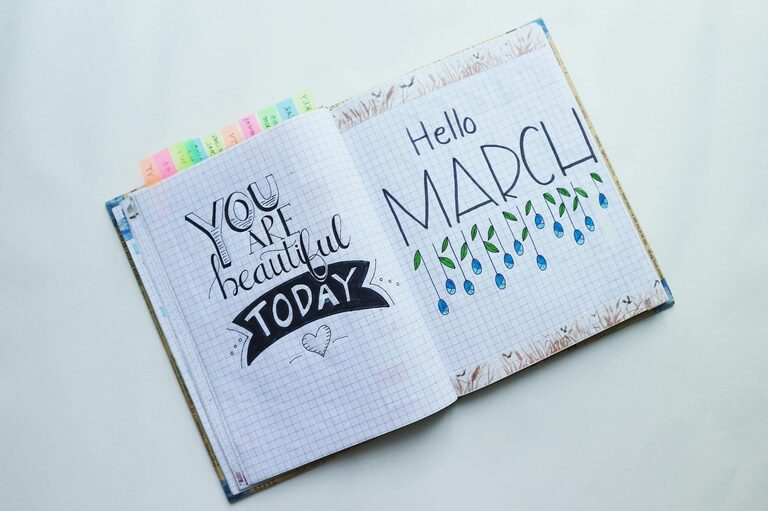
Bullet journaling is a customizable system for organizing your tasks, events, and thoughts in a single notebook. Created by Ryder Carroll, it blends planning, to-do lists, and journaling with flexibility and creativity. You can use it to track your daily life, goals, habits, and more – all tailored to what works best for you.
Why Try Bullet Journaling?
– Flexible: You decide what to include, from schedules to sketches.
– Creative: Customize layouts, colors, and designs.
– Productive: Keeps you organized and focused on priorities.
– Mindful: Reflect on progress and build good habits.
Getting Started: What You Need
Basic Supplies
– Notebook: Any notebook works, but popular choices include dotted or grid notebooks for ease of layout.
– Pens: Choose pens you like; some prefer fineliners or colorful markers.
– Ruler: Helpful for straight lines and neat sections.
– Optional: Stickers, washi tape, or stamps to decorate.
Setting Up Your Bullet Journal
—
1. The Key
Create a legend to explain your symbols. Common symbols include:
– ● Task
– ○ Event
– – Note
– ✩ Priority
– ✗ Completed
– > Migrated (moved to another day)
Having a consistent key helps you quickly understand your entries.
—
2. Index
Reserve the first two pages for an index. As you add pages, note page numbers here for easy reference. For example:
| Topic | Page |
|—————-|——-|
| Monthly Log | 3 |
| Habit Tracker | 7 |
—
3. Future Log
This is your outlook for the upcoming months. Divide the pages into sections for each month where you can jot down important dates, appointments, or goals ahead of time.
—
4. Monthly Log
Each month gets its own spread to map out daily tasks and events.
– Calendar: List days of the month vertically or as a grid.
– Task List: Your focus for the month.
—
5. Daily Log
This is where you plan your day. Write the date, then add your tasks, events, and notes using your key. You can keep it simple or add doodles and colors.
—
Tips for Bullet Journaling Success
Start Simple
Don’t worry about creating perfect spreads at first. Focus on consistency and adjust your style as you go.
Customize Your Layouts
Try different layouts like weekly spreads, habit trackers, or mood charts to find what motivates you.
Review Regularly
Don’t forget to review your journal weekly or monthly to migrate unfinished tasks or reflect on progress.
Use It Daily
A quick daily check-in helps build the habit and keeps you organized.
—
Popular Bullet Journal Collections
Habit Trackers
Monitor habits like exercise, reading, or water intake by coloring a box each day.
Gratitude Log
Write down something you’re thankful for each day to boost positivity.
Expense Tracker
Keep track of spending to stay on budget.
Brain Dump
Have a page where you jot down ideas or tasks that come to mind anytime.
—
Common Mistakes to Avoid
– Overloading: Don’t overwhelm yourself with complex spreads on day one.
– Skipping Reviews: Without regular check-ins, tasks can get lost.
– Perfectionism: It’s okay to have messy pages – functionality matters more than art.
—
Final Thoughts
Bullet journaling can be a powerful tool to organize your life, reduce stress, and spark creativity. Remember, the system is yours to adapt, so make it enjoyable and effective for you. Grab a notebook and start today – your bullet journal journey awaits!
—
Happy journaling!